
Directed by Cooper Raiff, Hal & Harper explores the relationship between two co-dependent siblings and their father. Set in Los Angeles, the series oscillates between past and present, giving us a glimpse into the tragedy that rocked the family and how they have each been shaped by it.
In the present timeline, Hal, played by Raiff himself, is an emotionally stunted college senior who avoids studying to hang with his buddy, Kalen (Christopher Meyer); chase the girl of his dreams, Abby (Havana Rose Liu); or bother his older sister, Harper (Lili Reinhart).
Harper, my favourite character, is a dissatisfied office worker whose life is falling apart. Torn between her long-term girlfriend, Jesse (Alyah Chanelle Scott), and her older, divorced colleague, Audrey (Addison Timlin), Harper is guilt-ridden and lost.
Hal and Harper’s father – who appears to be doing the best out of the bunch, with a supportive, younger girlfriend (Betty Gilpin) and a baby on the way – is also struggling. About to become a dad again, he is reminded of all the ways he failed as a father the first time around.
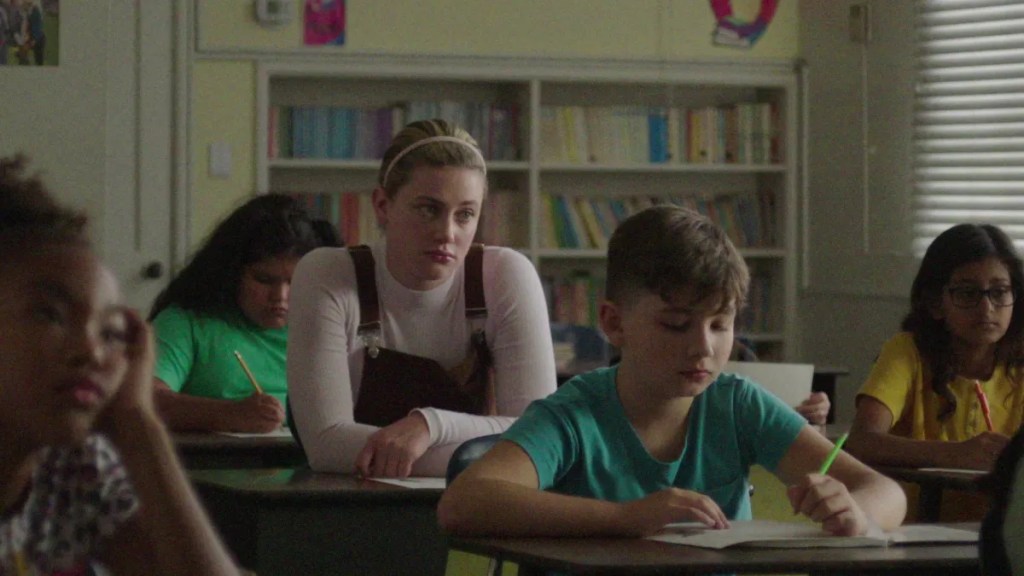
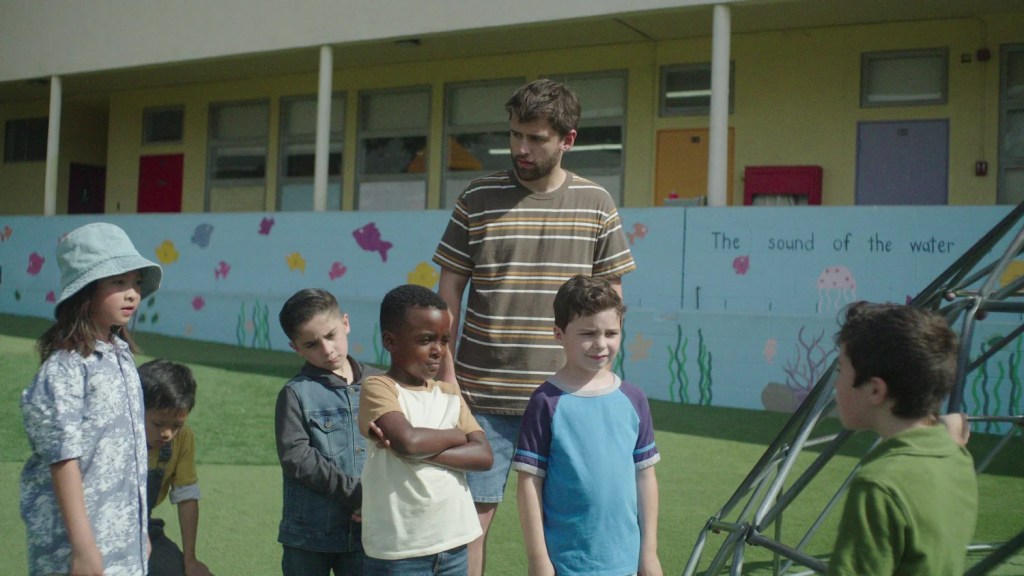
Needless to say, the characters in Hal & Harper are flawed. They make mistakes, they say nasty things, and they hit the self-destruct button a lot. And yet we still root for them. Cooper Raiff has done a fantastic job at creating characters so real, I forgot I was watching a show sometimes. They have layers, and the show unpeels these layers one episode at a time to reveal the hurt person underneath. Anyone who loves a good character study will love this show, and anyone who needs a lesson in empathy needs this show.
The decision to have Cooper Raiff and Lili Reinhart also play young Hal and Harper is genius. Usually I hate it when films/TV shows do this (I’m thinking about Florence Pugh playing a 12-year-old Amy in Little Women), but in this case, it makes perfect sense. As children, Hal and Harper are forced to grow up too fast because of their trauma. They don’t have a normal childhood, and so they don’t fit in with the other kids in their class. The visual metaphor works great.
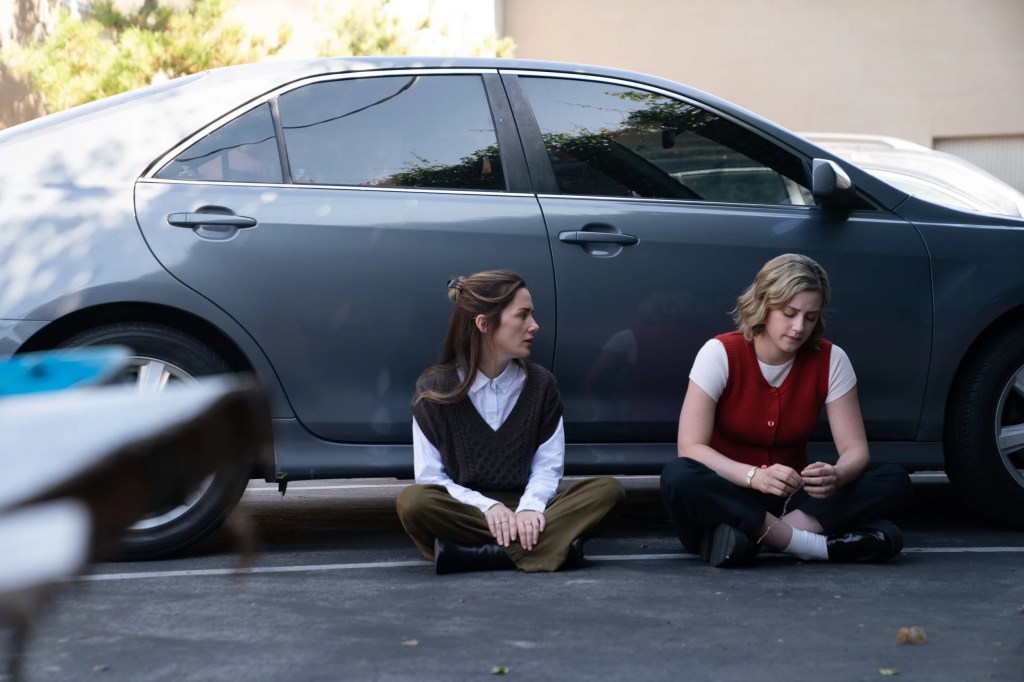
The show should also be praised for its authentic portrayal of a lesbian relationship. Harper’s relationship with Jesse feels real and raw, and not tokenistic or overly-sexualised for the viewer’s entertainment. Even Harper’s affair with Audrey is handled delicately. There are no outrageous, voyeuristic sex scenes; instead, the storyline focuses on the emotional intimacy between the two women. I also appreciate how Harper’s sexuality is such a non-issue. Her being gay is never a problem, for her or her family. In fact, it is portrayed as a lovely thing.
Other things I love about the show include the character of Kate (Gilpin), who acts as a mediator for the family and somehow doesn’t slip into manic pixie dream woman territory; the soundtrack, which features some of my favourites such as Waxahatchee and Big Thief; the child actors, who don’t seem like they are acting at all; and the ending, which I won’t spoil, but is perfect. Or, perfectly imperfect.
Cooper Raiff, you have found a new fan in me.
Photos: Hal & Harper, directed by Cooper Raiff.





 Half-Baked
Leave a comment